Thanks to pioneering work of researcher-clinicians like Eugene Braunwald, heart attacks are no longer ‘bolts from the blue.’

Book Review: ‘Eugene Braunwald and the Rise of Modern Medicine’ by Thomas H. Lee

Thanks to pioneering work of researcher-clinicians like Eugene Braunwald, heart attacks are no longer ‘bolts from the blue.’

ABRAHAM VERGHESE

Oct. 25, 2013 3:53 p.m. ET

BN-AD561_bkrvbr_G_20131025100502

When I was a medical student in Africa, “Harrison’s Principles of Internal Medicine” was my bible. A multi-authored text, it was wildly popular all over the world. To us readers, the editors of “Harrison’s,” with their exotic titles (“Hersey Professor of the Theory and Practice of Physic,” for example), were like rock stars. “Harrison’s” separated itself from other textbooks of its day by the weight it gave to basic science and to the understanding of fundamental biological mechanisms, which the editors believed was key to understanding disease. Eugene Braunwald’s name was familiar to so many of us, not just because he was an editor of “Harrison’s” but also because many of the advances in cardiology described in the book came directly from his own research. Read more of this post
Companies rush to build ‘biofactories’ for medicines, flavorings and fuels; Amyris has created 3 milllion new organisms that do not exist in nature

Companies rush to build ‘biofactories’ for medicines, flavorings and fuels

By Ariana Eunjung Cha, Friday, October 25, 8:50 AM

For scientist Jack Newman, creating a new life-form has become as simple as this: He types out a DNA sequence on his laptop. Clicks “send.” And a few yards away in the laboratory, robotic arms mix together some compounds to produce the desired cells. Newman’s biotech company is creating new organisms, most forms of genetically modified yeast, at the dizzying rate of more than 1,500 a day. Some convert sugar into medicines. Others create moisturizers that can be used in cosmetics. And still others make biofuel, a renewable energy source usually made from corn. “You can now build a cell the same way you might build an app for your iPhone,” said Newman, chief science officer of Amyris. Read more of this post

New China H7N9 bird flu cases ‘signal potential winter epidemic’

New China H7N9 bird flu cases ‘signal potential winter epidemic’

By Kate Kelland

LONDON (Reuters) – Fresh human cases in eastern China of a deadly new strain of bird flu signal the potential for “a new epidemic wave” of the disease in coming winter months, scientists said on Thursday. The strain, known as H7N9, emerged for the first time in humans earlier this year and killed around 45 of the some 135 people it infected before appearing to peter out in China During the summer. Read more of this post

The Cardiologist Who Spread Heart Disease

The Cardiologist Who Spread Heart Disease

Mehmood Patel still wakes up early, just as he did when he was a popular heart specialist seeing patients who waited hours for minutes of his time. Instead of surgical scrubs, he climbs into the khaki drabs of the Federal Correctional Complex in Oakdale, Louisiana. He leads health-conscious inmates on a morning walk, then cracks open one of the medical journals on his prison-approved reading list. Counseling fellow convicts to keep their blood pressure down is about the extent of the doctoring done by the man who once boasted he was the busiest cardiologist in the nation. Read more of this post

Cancer Radiation Rates Grow When Urologists Reap Profit

Cancer Radiation Rates Grow When Urologists Reap Profit

Urologists that buy their own equipment to provide expensive radiation treatment are much more probable to use it to treat prostate cancer even when its benefit for patients is unclear, research shows. Prostate cancer is the most common tumor diagnosed in the U.S., where an estimated 238,590 men were told they had the disease this year. While only about 12 percent, or 29,270 men, will die from it this year, all will have to decide how, and whether, they want to treat the cancer. Read more of this post

Return to Reaganomics Seen Reviving U.K. Biotechnology

Return to Reaganomics Seen Reviving U.K. Biotechnology

Though it has knowhow and wealth, the U.K. has never had much success creating biotechnology startups to rival such U.S. triumphs as Genentech Inc. and Amgen Inc. One explanation for this difference can be summed up in two words: Ronald Reagan. President Reagan’s overhaul of investment and tax rules at the dawn of the U.S. biotechnology industry in the early 1980s pushed pension funds toward riskier investments. That helped fuel the growth of giants including Genentech, today a unit of Roche Holding AG, and Amgen. Read more of this post

WHO: Drug-Resistant TB Diagnoses Are Rising; Vast Number of Cases Still Go Undetected

WHO: Drug-Resistant TB Diagnoses Are Rising

Vast Number of Cases Still Go Undetected

BETSY MCKAY

Updated Oct. 23, 2013 2:34 p.m. ET

Drug-resistant tuberculosis has become a public health crisis, the World Health Organization declared Wednesday, with the number of people diagnosed with the deadly airborne disease rising so fast that some countries don’t have enough drugs or medical staff to treat them all. And the vast majority—around four-fifths—of drug-resistant TB cases are still going undetected, the United Nations public health agency said in its latest annual report on TB, calling targets for diagnosing and treating the disease “far off-track.” Read more of this post

New China H7N9 strain gives kick to mutant bird flu research

New China H7N9 strain gives kick to mutant bird flu research

5:55am EDT

By Kate KellandHealth and Science Correspondent

ROTTERDAM, Netherlands (Reuters) – Dutch scientists hidden away in a top-security laboratory are seeking to create mutant flu viruses, dangerous work designed to prepare the world for a lethal pandemic by beating nature to it. The idea of engineering viral pathogens to be more deadly than they are already has generated huge controversy, amid fears that such viruses could leak out or fall into the wrong hands. Read more of this post

McKesson Readies Bid for Germany’s Celesio; Prescription-drug distribution is converging globally. The $1 trillion-a-year global drug landscape is undergoing a major shift in where profits are made

McKesson Readies Bid for Germany’s Celesio

Deal Values Drug Distributor at as Much as $5.39 Billion

EYK HENNING and TIMOTHY W. MARTIN

Updated Oct. 23, 2013 11:18 a.m. ET

McKesson Corp. MCK +0.65% is expected to announce Thursday an offer for Celesio AGCLS1.XE +6.13% , valuing the German drug distributor at as much as €3.91 billion ($5.39 billion), according to people familiar with the matter. McKesson, the largest U.S. drug distributor by revenue, is expected to offer between €21 and €23 per Celesio share, these people said. Advanced talks between the two were first reported by The Wall Street Journal earlier this month. Read more of this post

Cardiovascular Systems Soars on FDA Approval of Diamondback, the first coronary system for calcium removal known as atherectomy in more than 20 years, for those with severely calcified arteries

Cardiovascular Systems Soars on Approval of Artery Device

Cardiovascular Systems Inc. (CSII) soared the most in four years after U.S. regulators approved its Diamondback 360 device used to clear calcium from clogged arteries without review by an expert advisory panel. The U.S. Food and Drug Administration cleared the Diamondback, the first coronary system for calcium removal known as atherectomy in more than 20 years, for those with severely calcified arteries. About 40 percent of patients getting artery-clearing procedures have significant calcium buildup, creating a $1.5 billion annual market, CSI said in a statement. The early approval strengthens St. Paul, Minnesota-based CSI’s potential as a takeover target, said Danielle Antalffy, an analyst at Leerink Swann & Co. in New York, in a note to clients today. While similar systems are approved for use in the peripheral arteries, the Diamondback will compete only against Boston Scientific Corp. (BSX)’s Rotoblater in the heart, she said. The approval “makes CSII a much more attractive acquisition target given its best-in-class atherectomy device, strong growth profile, and highly underpenetrated market opportunity,” Antalffy said. “We believe the coronary indication could expand CSII’s addressable market opportunity by another $1.2 billion plus, versus the current $1.5 billion atherectomy in peripheral arterial disease market,” she said. Cardiovascular Systems rose 18 percent to $26.75 at the close in New York, its biggest one-day increase since November 2009. The shares have more than doubled far this year.

To contact the reporter on this story: Michelle Fay Cortez in Minneapolis at mcortez@bloomberg.net

Teva Opts for 5,000 Job Cuts as Big Acquisitions Flop

Teva Opts for 5,000 Job Cuts as Big Acquisitions Flop

Teva Pharmaceutical Industries Ltd. became the world’s largest generic-drug maker and highest-rated pharmaceutical stock earlier in the decade by spending more than $30 billion to acquire competitors. Now, with Teva’s stock down 37 percent from its peak as a patent protecting best-selling medicine Copaxone nears expiration, the company is no longer buying. To grapple with an expected drop in sales of the $4 billion multiple sclerosis injection, Teva is doing something it’s never done before: downsizing. The Petach Tikva, Israel-based company plans to cut 5,000 jobs to save $2 billion in annual costs by 2017. Read more of this post

Poor Sleep Linked to Alzheimer’s in Study of Brain Scans

Poor Sleep Linked to Alzheimer’s in Study of Brain Scans

Sleeping poorly or not getting enough rest may result in a type of brain abnormality associated with Alzheimer’s disease, a study showed. Brain images of adults with an average age of 76 found that those who said they slept less or poorly had increased build-up of beta-amyloid plaques, one of the hallmarks of Alzheimer’s, according to research published today in JAMA Neurology. None of those in the study had been diagnosed with the disease. Read more of this post

Bringing Up Baby and Fretting About Vital Signs; New gadgets, like diapers that monitor kidney function, are turning baby nurseries into ICUs

Bringing Up Baby and Fretting About Vital Signs

New gadgets, like diapers that monitor kidney function, are turning baby nurseries into ICUs.

LENORE SKENAZY

Oct. 20, 2013 7:55 p.m. ET

Almost anything you can put on a baby is cute. A hat. Sunglasses. A bib (especially the one that says, “Some moron put my cape on backwards!”). But now comes the Owlet Baby Monitor—a little electronic device strapped to a sock at bedtime. It measures your baby’s heart rate, blood oxygen levels, skin temperature, sleep quality and sleeping position. Then it streams all this information to your smart phone. Read more of this post

Delhi hospitals overflow with hidden dengue epidemic

Delhi hospitals overflow with hidden dengue epidemic

Sunday, October 20, 2013 – 12:49

AFP

NEW DELHI – Factory worker Mohammad Awwal is gripped by fever, sweats and the sort of agonising aches that mean his condition is sometimes called “breakbone disease”. It’s an annual plague in India and a hidden epidemic, say experts. Dengue fever is a mosquito-borne disease with no known cure or vaccination that strikes fear into the citizens of New Delhi when it arrives with the monsoon rains – just as the scorching heat of the summer is subsiding. Read more of this post

European Pharmaceuticals’ Health Kick Could Sicken on Emerging Markets

European Pharmaceuticals’ Health Kick Could Sicken on Emerging Markets

Drug Makers May Find a Tough Road Ahead

HELEN THOMAS

Oct. 20, 2013 8:59 p.m. ET

MI-BZ177_PHARMA_NS_20131020163903

Talk about a pick-me-up. European pharmaceutical companies have proved the drug of choice for investors, with the sector’s valuation expanding to about 13 times forward earnings today from about 10 times a year ago. The sector’s old-world stocks still lag behind their U.S. peers, where astronomical multiples awarded to Bristol-Myers Squibb BMY +0.10%and Eli Lilly LLY -0.28% flatter the group’s average. Still, European pharma’s newfound well-being remains notable. The problem is that progress from here looks tougher. The sector’s run has been supported by a broader rally: Its valuation relative to the European stock market remains effectively unchanged, notes Bank of America Merrill Lynch.

Read more of this post

Todd Y. Park, co-founder of medical technology companies Athenahealth and Castlight Health, Among Team Assembled to Fix Obamacare

Entrepreneur Park Among Team Assembled to Fix Obamacare

Todd Y. Park, the entrepreneur who became the U.S. chief technology officer last year, is among a team of the “best and brightest” now rushing to bring the hobbled Obamacare health insurance websites up to speed. Park, a co-founder of medical technology companies Athenahealth Inc. (ATHN) and Castlight Health Inc., is assisting in trying to fix healthcare.gov, Jason Young, a spokesman for the Department of Health and Human Services, said in a phone interview today. The government last week also asked the site’s main contractor, a unit of Montreal-based CGI Group Inc. (GIB/A), to add staff and assign its “A-Team” to the efforts, Young said. Read more of this post

The Not-So-Hidden Cause Behind the A.D.H.D. Epidemic

The Not-So-Hidden Cause Behind the A.D.H.D. Epidemic

By MAGGIE KOERTH-BAKER

OCT. 15, 2013

Between the fall of 2011 and the spring of 2012, people across the United States suddenly found themselves unable to get their hands on A.D.H.D. medication. Low-dose generics were particularly in short supply. There were several factors contributing to the shortage, but the main cause was that supply was suddenly being outpaced by demand. The number of diagnoses of Attention Deficit Hyperactivity Disorder has ballooned over the past few decades. Before the early 1990s, fewer than 5 percent of school-age kids were thought to have A.D.H.D. Earlier this year, data from the Centers for Disease Control and Prevention showed that 11 percent of children ages 4 to 17 had at some point received the diagnosis — and that doesn’t even include first-time diagnoses in adults. (Full disclosure: I’m one of them.) Read more of this post

The New Science Behind Medical Investing: Big pharma companies increasingly are relying on venture capitalists who generate their own ideas and then build companies around them

SATURDAY, OCTOBER 19, 2013

The New Science Behind Medical Investing

By JACK WILLOUGHBY | MORE ARTICLES BY AUTHOR

Big pharma companies increasingly are relying on venture capitalists who generate their own ideas and then build companies around them.

The senior management of Third Rock Ventures knows something about making money from biotechnology. Back in 2008, co-founder Kevin Starr and his partners, Mark Levin and Bob Tepper, raked in $8.8 billion for themselves and investors by selling Millennium Pharmaceuticals, a global drug giant, to a Japanese drug maker. After a celebratory weekend in Las Vegas, the three decided they wanted to try their hand at medical start-ups in a new kind of venture firm that would address what they thought was a broken model for funding biotech and drug introductions. In six years, they’ve raised $1.3 billion in three funds, backed three successful initial public offerings, and had a couple of their fledgling companies acquired. The IPOs include gene-therapy maker Bluebird Bio(ticker: BLUE), up more than 48% from its June pricing, cellular-metabolism specialistAgios Pharmaceuticals (AGIO), which has gained more than 52% following its July pricing, and Foundation Medicine (FMI), which provides molecular information about cancer patients and has seen its stock rise 91% since its September pricing. In light of their success in a revved-up market for biopharmaceutical IPOs and the debate about the state of American health care, we thought it a good time to chat with Starr at the firm’s offices on Newbury Street in Boston. Read more of this post

Scientists Have Found The First Concrete Reason Why We Need Sleep; The brain is bathed in a special clear liquid called cerebrospinal fluid, which doesn’t mix with the blood and lymph system of the rest of the body and this fluid travels through special channels and washes the brain out of toxic waste products

Scientists Have Found The First Concrete Reason Why We Need Sleep

JENNIFER WELSH OCT. 17, 2013, 2:00 PM 30,592 26

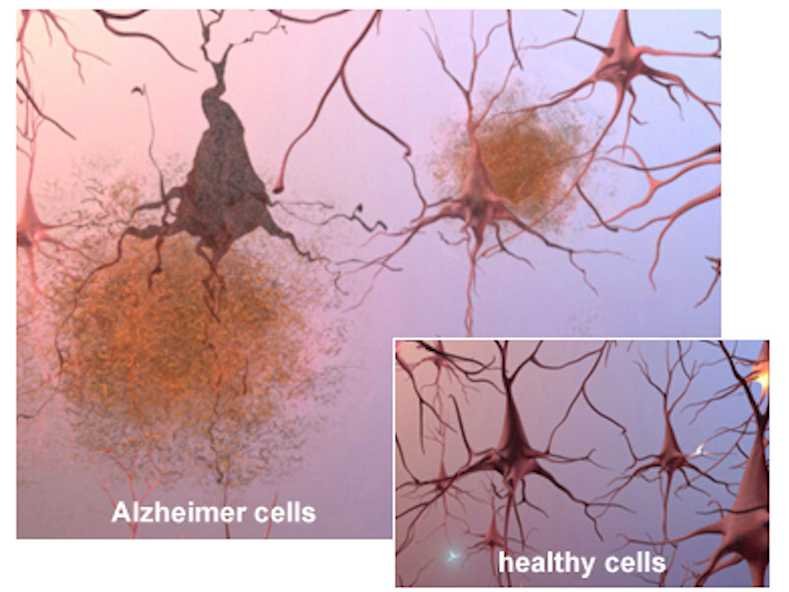
alzheimers-brain-cells-and-plaques

The buildup of toxic waste proteins causes brain cells to die in Alzheimer’s disease.

We know we need to sleep. We know our brains and bodies work better after sleep. But what we didn’t know, until now, was why. Scientists have just reported the first major mechanical reason our brains need to sleep — certain cleaning mechanisms in the brain work better when we shut the brain down. Just like how dump trucks take to the city streets during the pre-dawn hours because there’s less traffic, our brain’s cleaners also work best when there’s less going on. Read more of this post

In China, Alzheimer’s Care Nearly Forgotten; A global report cites a shortage of professional care for China’s 9 million Alzheimer’s sufferers

10.17.2013 15:18

In China, Alzheimer’s Care Nearly Forgotten

A global report cites a shortage of professional care for China’s 9 million Alzheimer’s sufferers

By staff reporter Lan Fang

Zhang Rong spent more than seven, torturous years caring for her elderly father while he mentally drifted away. Finally, late last year, her 85-year-old father fell into a deep coma and was hospitalized in intensive care. Zhang later agreed to let doctors remove the tubes that kept her father alive. Two days later, he passed away peacefully. Zhang had watched her father gradually grow more confused, even delusional. He talked about long-dead friends coming over for visits, and memories from decades past so entangled his thinking that he was unable to differentiate between former times and the present.

Read more of this post

Bird Flu’s Return in China Seen Sped by New Year Chicken

Bird Flu’s Return in China Seen Sped by New Year Chicken

The avian flu strain that killed 45 people in Asia last spring is poised to return as poultry flocks swell before Chinese New Year, amplifying the virus that hides undetected in birds. A 35-year-old man from the eastern Chinese province of Zhejiang is in serious condition after being infected with the new H7N9 flu strain, health authorities said this week. It’s the first confirmed human case in two months, according to the World Health Organization in Geneva. Read more of this post

India’s Secret to Low-Cost Health Care

India’s Secret to Low-Cost Health Care

by Vijay Govindarajan and Ravi Ramamurti  |   10:00 AM October 15, 2013

A renowned Indian heart surgeon is currently building a 2,000-bed, internationally accredited “health city” in the Cayman Islands, a short flight from the U.S. Its services will include tertiary care procedures, such as open-heart surgery, angioplasty, knee or hip replacement, and neurosurgery for about 40% of U.S. prices. Patients will have the option of recuperating for a week or two in the Caymans before returning to the U.S. At a time when health care costs in the United States threaten to bankrupt the federal government, U.S. hospitals would do well to take a leaf or two from the book of Indian doctors and hospitals that are treating problems of the eye, heart, and kidney all the way to maternity care, orthopedics, and cancer for less than 5% to 10% of U.S. costs by using practices commonly associated with mass production and lean production.

Read more of this post

Same Gene Mutations Tied to 12 Cancers; Research Finding May Lead to Better Treatment

Same Gene Mutations Tied to 12 Cancers

Research Finding May Lead to Better Treatment

RON WINSLOW

NA-BY507_CANCER_G_20131016180128

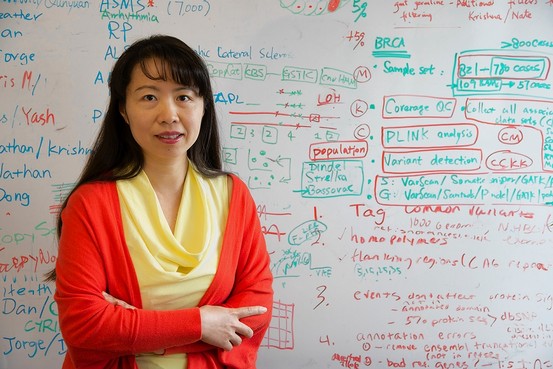
Washington University’s Li Ding and others found that 12 types of cancer share the same genetic mutations.Robert J. Boston/Washington University School of Medicine

Oct. 16, 2013 6:46 p.m. ET

New results from the Cancer Genome Atlas research project identify a host of genetic mutations that are common among 12 different types of cancer, reflecting the growing understanding that tumors can be defined by their underlying biology rather than their location in the body. The report, published Wednesday by the journal Nature, is part of an effort to compile a list of all genetic mutations that can trigger the development and progression of tumors. Experts hope such a list will guide diagnosis of cancer and spur development of drugs that target the genetic anomalies, a strategy known as precision medicine. Read more of this post

Breaking Through Cancer’s Shield: The recent discovery that cancers can evade the immune system by wrapping themselves in a protective shield offered a bonus: a way to try to thwart their growth

October 14, 2013

Breaking Through Cancer’s Shield

By GINA KOLATA

For more than a century, researchers were puzzled by the uncanny ability of cancer cells to evade the immune system. They knew cancer cells were grotesquely abnormal and should be killed by white blood cells. In the laboratory, in Petri dishes, white blood cells could go on the attack against cancer cells. Why, then, could cancers survive in the body? The answer, when it finally came in recent years, arrived with a bonus: a way to thwart a cancer’s strategy. Researchers discovered that cancers wrap themselves in an invisible protective shield. And they learned that they could break into that shield with the right drugs. Read more of this post

How Your Knees Can Predict the Weather; Granny was right: Scientists find link between achy joints and the forecast

October 14, 2013, 7:12 p.m. ET

How Your Knees Can Predict the Weather

Granny was right: Scientists find link between achy joints and the forecast

MELINDA BECK

OG-AA275_Health_NS_20131014201701

The Wolff family of Paramus, N.J., was eyeing the gathering clouds and debating whether to cancel a planned park trip when 6-year-old Leora piped up with an idea: “Let’s call Grandma. Her knees always know when it’s going to rain!” Leora’s grandmother, Esther Polatsek, says she started being sensitive to the weather in her 20s, when a fracture in her foot would ache whenever a snowstorm approached. Now 66 and plagued by rheumatoid arthritis, Mrs. Polatsek says she suffers flare-ups whenever the weather is about to change. “It’s just uncanny. Sometimes it’ll be gorgeous out, but I’ll have this awful pain. And sure enough, the next morning it rains,” she says. “It may be just a few drops, but it makes my body crazy.” Do weather conditions really aggravate physical pain? It is one of the longest running controversies in medicine. Read more of this post

Bristol-Myers, Merck and Roche Develop Drugs to Zap Tumors Via Immune System

Bristol-Myers, Merck and Roche Develop Drugs to Zap Tumors Via Immune System

RON WINSLOW and PETER LOFTUS

Oct. 14, 2013 7:25 p.m. ET

As genetically targeted therapies gain ground against cancer, another treatment strategy called immunotherapy is emerging as a potentially powerful new partner against malignancies. At least five major drug companies, including Bristol-Myers Squibb Co. BMY -0.02% ,Merck MRK -1.14% & Co. and Roche Holding AG ROG.VX +0.42% , are developing drugs known as immune checkpoint inhibitors that work by unleashing the body’s immune system to enable it to recognize and attack tumor cells. Small biotechnology companies are also embracing the approach. Read more of this post

Patients Mired in Costly Credit From Doctors

October 13, 2013

Patients Mired in Costly Credit From Doctors

By JESSICA SILVER-GREENBERG

The dentist set to work, tapping and probing, then put down his tools and delivered the news. His patient, Patricia Gannon, needed a partial denture. The cost: more than $5,700. Ms. Gannon, 78, was staggered. She said she could not afford it. And her insurance would pay only a small portion. But she was barely out of the chair, her mouth still sore, when her dentist’s office held out a solution: a special line of credit to help cover her bill. Before she knew it, Ms. Gannon recalled, the office manager was taking down her financial details. Read more of this post

Patients Pay Before Seeing Doctor as Deductibles Spread

Patients Pay Before Seeing Doctor as Deductibles Spread

When Barbara Retkowski went to a Cape Coral, Florida, health clinic in August to treat a blood condition, she figured the center would bill her insurance company. Instead, it demanded payment upfront. Earlier in the year, another clinic insisted she pay her entire remaining insurance deductible for the year — more than $1,000 — before the doctor would even see her. “I was surprised and frustrated,” Retkowski, a 59-year-old retiree, said in an interview. “I had to pull money out of my savings.” Read more of this post

What If a Flu Breaks Out When CDC Can’t Track It

What If a Flu Breaks Out When CDC Can’t Track It

As director of the U.S. Centers for Disease Control and Prevention during the last government shutdown, in 1995-1996, I can attest to the very real potential for unnecessary pain, suffering and death when the work of public-health officials is curtailed. As a consequence of the current shutdown, the CDC has been required to furlough two-thirds of its staff, leaving only 4,000 people to conduct vital public-health responsibilities. This translates into reduced protection for Americans. Here are just a few examples: Read more of this post

The Soaring Cost of a Simple Breath; The high price of commonly used medications for conditions like asthma contributes heavily to health care costs in the United States

October 12, 2013

The Soaring Cost of a Simple Breath

By ELISABETH ROSENTHAL

OAKLAND, Calif. — The kitchen counter in the home of the Hayes family is scattered with the inhalers, sprays and bottles of pills that have allowed Hannah, 13, and her sister, Abby, 10, to excel at dance and gymnastics despite a horrific pollen season that has set off asthma attacks, leaving the girls struggling to breathe. Asthma — the most common chronic disease that affects Americans of all ages, about 40 million people — can usually be well controlled with drugs. But being able to afford prescription medications in the United States often requires top-notch insurance or plenty of disposable income, and time to hunt for deals and bargains. Read more of this post