E-Cigarettes May Be as Effective as Patch to Help Smokers Quit

E-Cigarettes May Be as Effective as Patch to Help Smokers Quit

Taking a drag from an e-cigarette may be just as safe and effective as slapping on a nicotine patch for smokers struggling to quit, according to the first physician-run trial to compare the two products. About one in 20 people who used either patches or e-cigarettes managed to quit completely six months after the test started, according to research published today in The Lancet. Meanwhile, users of electronic cigarettes — battery-powered devices that deliver vaporized nicotine — were more likely to have cut their use of the real thing in half even if they didn’t quit entirely. Read more of this post
Healthcare App Makers Crowdfund to Avoid Blindside Hit of FDA Rules; “There’s a gigantic gulf between the tech industry as a whole and the medical regulatory infrastructure”

App Makers Crowdfund to Avoid Blindside Hit of FDA Rules

It sounded like a good idea at the time: A smartphone application that tapped into a growing consumer desire to self-diagnose health ailments at home. Biosense Technologies Private Ltd. made a splash in February when it unveiled a kit that lets people use their phone cameras to read subtle color differences on test strips designed to show unhealthy levels of proteins and other substances in their urine. What the creators didn’t anticipate was the need for U.S. government approval. Read more of this post

Biomedicine: Smart antiseptic dispensers promise to save lives by subtly encouraging medical staff to wash their hands more often

Biomedicine: Smart antiseptic dispensers promise to save lives by subtly encouraging medical staff to wash their hands more often

Sep 7th 2013 |From the print edition

GIVING birth was a dangerous endeavour in the 1800s; many women died soon after doing so. Ignaz Semmelweis, an obstetrician working at the time at Vienna General Hospital observed that by washing his hands with bleach before he touched his patients he could reduce their mortality rate by 90%. This was before Louis Pasteur established the germ theory of disease, and Semmelweis could not explain the correlation. After he published his findings, though, many of his colleagues were offended at the suggestion that they did not have clean hands. After all, doctors were gentlemen and as Charles Meigs, another obstetrician, put it, “a gentleman’s hands are clean”. Discouraged, Semmelweis slipped into depression and was eventually committed to a lunatic asylum. He died 14 days later, after being brutally beaten by the guards. Read more of this post

Cancer Vaccine Setback. Failed product is one of therapeutic cancer vaccines. Unlike typical vaccines given to healthy people to prevent disease, therapeutic cancer vaccines are given to patients already diagnosed with cancer

September 5, 2013, 6:34 p.m. ET

Cancer Vaccine Setback

Failed Glaxo Trial Is Unlikely to Dampen Drug Firms’ Interest in Hot R&D Area

JEANNE WHALEN and RON WINSLOW

LONDON—An experimental cancer vaccine failed to help skin-cancer patients in aGlaxoSmithKline GSK.LN -0.81% PLC clinical trial, a setback for a hot area of medicine that seeks to harness the body’s immune system to fight tumors. When compared to a placebo, the vaccine, called MAGE-A3, didn’t increase the amount of time melanoma patients lived without their disease returning, Glaxo said Thursday. The 1,345 patients in the late-stage trial were given either the vaccine or a placebo after their tumors were surgically removed. Read more of this post

New Hampshire Hospital May Have Exposed Patients To An Incurable, Terrifying Brain Disease; This disease-causing protein isn’t killed by standard sterilizing methods. Even sterilized tools can still transit the disease

New Hampshire Hospital May Have Exposed Patients To An Incurable, Terrifying Brain Disease

JENNIFER WELSH SEP. 4, 2013, 7:58 PM 4,951 6

There’s a small chance that thirteen patients in and around New Hampshire were exposed to an extremely rare, terrifying, and deadly degenerative brain disease known as Creutzfeldt-Jakob, according to  a state health official announcement Wednesday. The potential contamination was announced after a patient that “likely had the disease” underwent brain surgery at Catholic Medical Center in Manchester, N.H., and later died from the disease.  The surgical instruments were washed using standard washing techniques and reused between May and August on eight other brain surgery patients at the center, and possibly five elsewhere. This disease-causing protein, however, isn’t killed by standard sterilizing methods. Even sterilized tools can still transit the disease. Read more of this post

Hospice Care Overlooked for End-of-Life Cancer Care

Hospice Care Overlooked for End-of-Life Cancer Care

End-of-life cancer care, whether decided by doctor or patient, favors intensive treatment that may be shortchanging a person’s chance of greater comfort in their dying days, Dartmouth College researchers said. Too many advanced-cancer patients receive invasive hospital treatments such as feeding tubes while they are dying instead of being directed to hospice and other palliative care that could ease suffering, the Dartmouth Atlas Project said today in a report. The group looked at data for Medicare, the U.S. health plan for the elderly, that showed an increase in cancer patients in intensive care units in the last month of life. Read more of this post

Doctors worry as heart drug research loses steam

Doctors worry as heart drug research loses steam

4:42am EDT

By Ben Hirschler

AMSTERDAM (Reuters) – The hunt for new heart drugs is losing momentum as resources are switched to other areas, notably cancer research, where investors get a better bang for their buck. Cardiologists fear the fight against heart disease could stall as a result, following major advances in recent decades marked by the advent of drugs to fight cholesterol, lower blood pressure and prevent dangerous blood clots. Read more of this post

One in four U.S. heart disease deaths could be prevented, CDC says

One in four U.S. heart disease deaths could be prevented, CDC says

7:16pm EDT

By Julie Steenhuysen

CHICAGO (Reuters) – About one in four U.S. deaths from heart disease could be avoided with better prevention efforts and treatment, according to a first-of-its-kind report from the U.S. Centers for Disease Control and Prevention released on Tuesday. As many as 200,000 Americans might have been spared an early death in 2010 from a heart attack or stroke if they had received screening and treatment for preventable causes of heart disease such as high blood pressure, high cholesterol, obesity and smoking, the report found. Read more of this post

Scientists find possible new way of fighting high blood pressure

Scientists find possible new way of fighting high blood pressure

11:01am EDT

By Kate Kelland

LONDON (Reuters) – Scientists experimenting with rats have found that de-activating certain nerves in the neck can effectively treat high blood pressure – a discovery that could be an advance in tackling one of the world’s biggest silent killers. Researchers at Britain’s Bristol University found that in rats with high blood pressure, when they removed nerve links between the brain and the carotid body – a nodule about the size of a grain of rice on the side of each carotid artery – the animals’ blood pressure fell and remained low. Read more of this post

China ‘Catastrophe’ Hits 114 Million as Diabetes Spreads; China’s diabetes epidemic is worse than previously estimated – much worse

China ‘Catastrophe’ Hits 114 Million as Diabetes Spreads

By Bloomberg News  Sep 3, 2013

China’s diabetes epidemic is worse than previously estimated — much worse. The most comprehensive nationwide survey for diabetes ever conducted in China shows 11.6 percent of adults, or 114 million, has the disease. The finding, published yesterday in the Journal of the American Medical Association, adds 22 million diabetics, or the population of Australia, to a 2007 estimate and means almost one in three diabetes sufferers globally is in China. Read more of this post

The Perfect Nap: Sleeping Is a Mix of Art and Science; Why Some Snoozing Sessions Leave You Groggy While Others Help

Updated September 2, 2013, 10:12 p.m. ET

The Perfect Nap: Sleeping Is a Mix of Art and Science

Why Some Snoozing Sessions Leave You Groggy While Others Help

SUMATHI REDDY

OB-YT345_SLEEP0_G_20130902231003

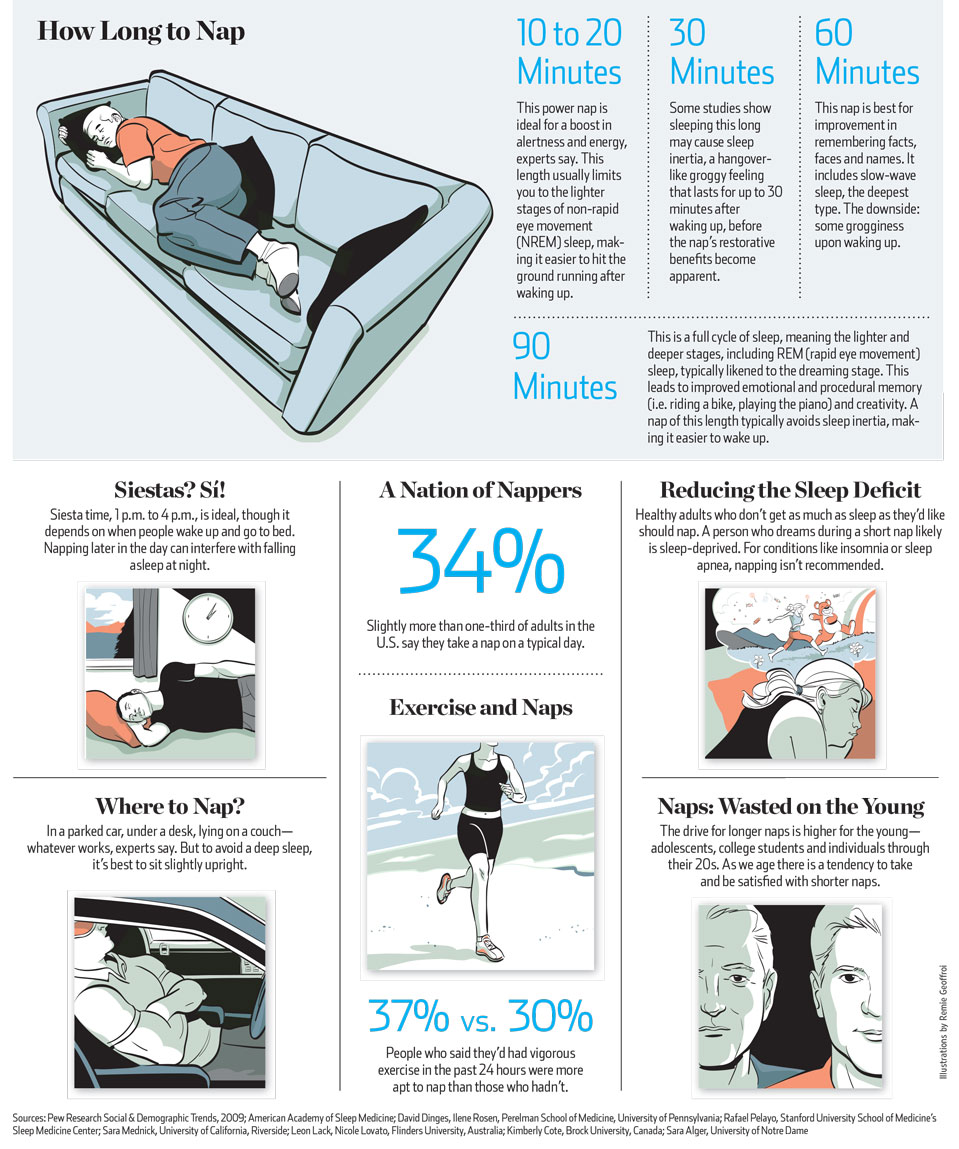
There’s an art to napping. Studies have found different benefits—and detriments—to a nap’s timing, duration and even effect on different people, depending on one’s age and possibly genetics. “Naps are actually more complicated than we realize,” said David Dinges, a sleep scientist at the University of Pennsylvania’s Perelman School of Medicine. “You have to be deliberative about when you’re going to nap, how long you’re going to nap and if you’re trying to use the nap relative to work or what you have coming up.” Read more of this post

Digital Technology Lets Dentists Make a Crown While a Patient Waits; The one-day crown systems are sold by Sirona Dental Systems

September 2, 2013, 4:44 p.m. ET

Are One-Day Crowns Worth the No Wait?

Digital Technology Lets Dentists Make a Crown While a Patient Waits

LAURA JOHANNES

PJ-BQ247_ACHES_DV_20130902215649

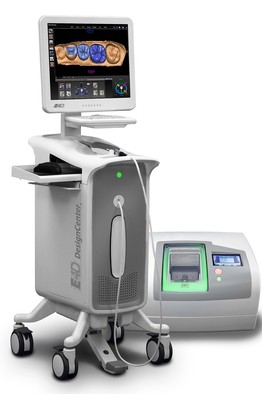
The E4D system includes machines for digital impressions and milling.

The Ache: Getting a crown for a weak or damaged tooth can be a big pain—and not just in the tooth. The process usually requires at least two dentist visits and a one-to-three-week wait for the crown to be made.

The Claim: Dentists say, with digital technology, they can make a crown in the office while a patient waits. The process takes only an hour or two.

The Verdict: One-day crown technology is convenient and produces durable ceramic crowns, dentists say. But there are “aesthetic limitations” to the one-day crown procedure making it a less appealing option for front teeth, says Jacinthe M. Paquette, a Newport Beach, Calif., prosthodontist.

A crown is a cap made to cover a damaged tooth. To prepare for the crown, dentists drill to remove the decayed portion and shape the tooth for the crown. Depending on the dentist and location, a traditional crown can cost $800 to $2,000 or more, and take at least two visits and a wait in between while a lab makes the crown. Read more of this post

The next time you use your smartphone to inquire about migraine symptoms or to check out how many calories were in that cheeseburger, there is a chance that information could be passed on to insurance and pharmaceuticals companies

September 1, 2013 6:38 pm

Worried-well online have new symptom to fear

By Emily Steel in New York and April Dembosky in San Francisco

HealthApp

The next time you use your smartphone to inquire about migraine symptoms or to check out how many calories were in that cheeseburger, there is a chance that information could be passed on to insurance and pharmaceuticals companies. The top-20 health and wellness apps, including MapMyFitness, WebMD Health and iPeriod, are transmitting information to up to 70 third-party companies, according to Evidon, a web analytics and privacy firm. Read more of this post

Ways to Fend Off The Wealth-Sapping Costs of a Disability

Ways to Fend Off The Wealth-Sapping Costs of a Disability

Lynn Francis was worried when her 81-year-old mother Joann started forgetting things a few years ago. Her fear turned to panic as her mother began inviting strangers into her house and giving away bank account information to just about anyone on the other end of the phone. Joann has become increasingly reclusive, afraid even to leave her house to go to the supermarket lest she forget how to find her way back. Lynn, who lives four hours away in Beaverton, Oregon, now takes turns with her sister buying her mother groceries. “Living alone has really become a safety issue for her,” says the 58-year-old yoga instructor. She’s trying to convince her mother to move into an assisted living facility. Read more of this post

Chinese researchers identify key protein behind depression

Chinese researchers identify key protein behind depression

English.news.cn   2013-08-30

WASHINGTON, Aug. 29 (Xinhua) — Chinese researchers said Thursday that they have identified a key protein in the brain responsible for the development of depression, offering a fresh avenue in the search for therapies to treat depression. Previous studies have found that cells in a brain region called lateral habenula (LHB) are hyperactive in depressed individuals, but scientists haven’t known what triggers them. Read more of this post

IVF Fails to Improve Pregnancy Odds After 5 Failed Cycles; U.S. couples spend an average of $12,400 on each cycle of IVF treatment

IVF Fails to Improve Pregnancy Odds After 5 Failed Cycles

IVF is unlikely to be successful for any woman regardless of age after five failed rounds, researchers in Australia found in the first national study of pregnancy rates from in vitro fertilization. The chance of delivering a live baby over the first five cycles reaches 40 percent for women of all ages and about 50 percent for women younger than 35, a study by the University of New South Wales’s National Perinatal Epidemiology and Statistics Unit found. The probability of a live delivery was negligible beyond five cycles, or rounds of drug-treatment used to achieve an IVF pregnancy. Read more of this post

Scientists discover key to normal memory lapses in seniors

Scientists discover key to normal memory lapses in seniors

Wed, Aug 28 2013

By Sharon Begley

NEW YORK (Reuters) – Scientists have good news for all the older adults who occasionally forget why they walked into a room – and panic that they are getting Alzheimer’s disease.

Not only is age-related memory loss a syndrome in its own right and completely unrelated to that dread disease, but unlike Alzheimer’s it may be reversible or even preventable, researchers led by a Nobel laureate said in a study published on Wednesday. Using human brains that had been donated to science as well as the brains of lab mice, the study for the first time pinpointed the molecular defects that cause cognitive aging. Read more of this post

The hopes and perils of betting on cancer treatments

The hopes and perils of betting on cancer treatments

Aug 31st 2013 | NEW YORK |From the print edition

NEW weapons are emerging in the war on cancer. That is good news not just for patients but also for drug companies. The biggest ones, faced with falling sales as their existing medicines go off-patent, are investing in smaller firms with promising cancer treatments under development, hoping to secure the next blockbuster. On August 25th Amgen, the world’s biggest biotechnology company by sales, said it would pay $10.4 billion for another American firm, Onyx. The target firm’s crown jewel is Kyprolis, a treatment for multiple myeloma, a type of blood cancer. The next day AstraZeneca, a British drugs firm, said it would snap up Amplimmune, an American firm working on ways to trigger the immune system to fight cancer. Read more of this post

Cancer’s Primeval Power and Murderous Purpose

Cancer’s Primeval Power and Murderous Purpose

It was 2010 and I was driving through the badlands of northwest Colorado, far from the cool, green Rocky Mountains. This was the land where the oldest known example of cancer had been found: inside of a bone of a Jurassic Age dinosaur. About 150 million years ago, the malignant growth had eaten away at the beast. It died and was buried under the layered debris of the ages. But a fragment of its petrified skeleton chanced to survive. It was discovered by an unknown rock hunter, cut and polished in a rock shop, and purchased by a man on vacation — a doctor who knew bone cancer when he saw it. Read more of this post

Scientists create human ‘mini-brain’; Breakthrough could help treat autism and schizophrenia

August 28, 2013 6:00 pm

Scientists create human ‘mini-brain’

By Clive Cookson, Science Editor

Biomedical scientists have turned human stem-cells into pea-sized mini-brains with a neural structure similar to the brain of a developing embryo. These “cerebral organoids”, as they are termed formally, are the best living model of a human brain created so far. The scientists at the Institute of Molecular Biotechnology of the Austrian Academy of Sciences (IMBA) in Vienna have already used their mini-brains to investigate one neuronal disorder, microcephaly, in which the brain does not grow properly. They hope to apply the technique to more complex conditions such as autism and schizophrenia, for which no good animal models are available. Read more of this post

Why TCM Products Are Seen as Poison Pills Abroad

08.27.2013 19:11

Why TCM Products Are Seen as Poison Pills Abroad

Health authorities around the world are issuing warnings about herbal treatments from China, a problem that will persist until the industry better explains side effects

By staff reporters Tian Yuan, He Chunmei and Wang Duan

(Beijing) – On August 20, Britain’s Medicines and Health Care Products Regulatory Agency issued a press release warning that extreme caution should be used with a number of traditional Chinese medicines (TCM) because they could contain dangerously high levels of toxins, including lead, mercury and arsenic. The release said the drugs are not authorized for sale in Britain, but can be bought on the Internet. “People are warned to exercise extreme caution when buying unlicensed medicines as they have not been assessed for safety and quality, and standards can vary widely,” it says. Read more of this post

Mewar Ortho: Taking Quality Health Care to Rural India; Udaipur’s Dr Manish Chhaparwal set out to fund his American dream. Instead, he set up India’s leading orthopaedic health care delivery system

Mewar Ortho: Taking Quality Health Care to Rural India

by Udit Misra | Aug 28, 2013

topimg_22355_manish_chhaparwal_600x400 Manish_Chhaparwal-final.indd

Udaipur’s Dr Manish Chhaparwal set out to fund his American dream. Instead, he set up India’s leading orthopaedic health care delivery system

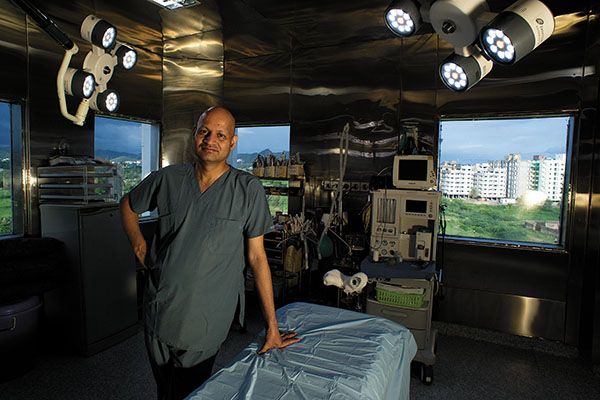
Mewar Orthopaedic Hospital was created almost by chance. Its founder, Dr Manish Chhaparwal, an orthopaedic surgeon, had his sights set on higher education in the US. But while trying to fund further studies in America, Chhaparwal unwittingly laid the foundation for an exemplary business in health care delivery.  Today, Mewar has 12 branches across Rajasthan, Madhya Pradesh and Gujarat. Apart from the main hospital in Udaipur, almost all the other units are located in rural and semi-urban areas. “I believe there is a big market in the rural areas if you can provide quality service at affordable prices,” says Chhaparwal.  The chief driver of Mewar’s success has been its focus on quality basic care without excessive capital investment. Its business credentials received a huge boost when several VC and PE firms evinced interest in investing. A series of negotiations later, Matrix Partners, which specialises in health care sector financing, invested Rs 35 crore in December 2012. Since then, it has opened eight new centres, adding to the four already existing.  The potential for expansion is massive. According to Chhaparwal, there are around 300 locations in India which have little to no orthopaedic health care facilities.  Read more of this post

Amgen’s Onyx Takeover Is Symptom of Deeper Pharma Sickness

Amgen’s Onyx Takeover Is Symptom of Deeper Pharma Sickness

By Megan McArdle  Aug 26, 2013

Amgen, the world’s biggest biotechnology company, is spending $10.4 billion to buy Onyx Pharmaceuticals, it announced on Sunday. Derek Lowe sums up the industry insider take: Amgen isn’t buying Onyx for their research staff, or any of their people at all. As that Bloomberg story linked to above has it, “Amgen to Buy Onyx for $10.4 Billion to Gain Cancer Drug”. Read more of this post

Fighting Fatigue in the Afternoon; Small Changes in Your Exercise Routine Can Keep You From Suffering Midday Blahs

August 26, 2013, 7:13 p.m. ET

Fighting Fatigue in the Afternoon

Small Changes in Your Exercise Routine Can Keep You From Suffering Midday Blahs

JENNIFER ALSEVER

Regular exercise is supposed to boost a person’s energy levels. So why do so many fitness fans complain of feeling fatigued during the afternoon? Making things worse, this workout-induced weariness can make it difficult to stick to a workout regimen. Researchers and fitness trainers say whether you exercise in the morning, afternoon or evening, small changes in your routine can keep you from suffering midday blahs. Read more of this post

What Science Hopes to Learn From a Baby’s Cries; Subtle differences in infant wailing can signal later developmental and neurological conditions

August 26, 2013, 7:31 p.m. ET

What Science Hopes to Learn From a Baby’s Cries

Subtle differences in infant wailing can signal later developmental and neurological conditions

SUMATHI REDDY

A newborn’s cry can signal more than whether she is hungry or tired. Subtle differences in infant wailing can provide important clues to later developmental and neurological conditions, such as poor language acquisition. Cry characteristics may also give hospitals a way to assess pain when treating babies. Down the road, researchers hope cry analysis may help doctors detect conditions and start treatment earlier. Researchers at Brown University and Women & Infants Hospital in Providence have devised a computer program to help analyze a baby’s cries. They hope to soon make it available to researchers world-wide looking to analyze crying patterns that can’t always be detected by the human ear. Read more of this post

Summer Is the Real Season for Bad Colds, Not Winter; Summer viruses linger longer, and pack more of a punch, than winter ones

August 26, 2013, 7:23 p.m. ET

Summer Is the Real Season for Bad Colds, Not Winter

Summer viruses linger longer, and pack more of a punch, than winter ones

ANGELA CHEN

OB-YR294_Summer_NS_20130826203822

Having trouble kicking that summer cold? It’s not your imagination. Summer colds are caused by different viruses than winter colds and tend to last longer than the winter variety. Angela Chen reports. Photo: AP.

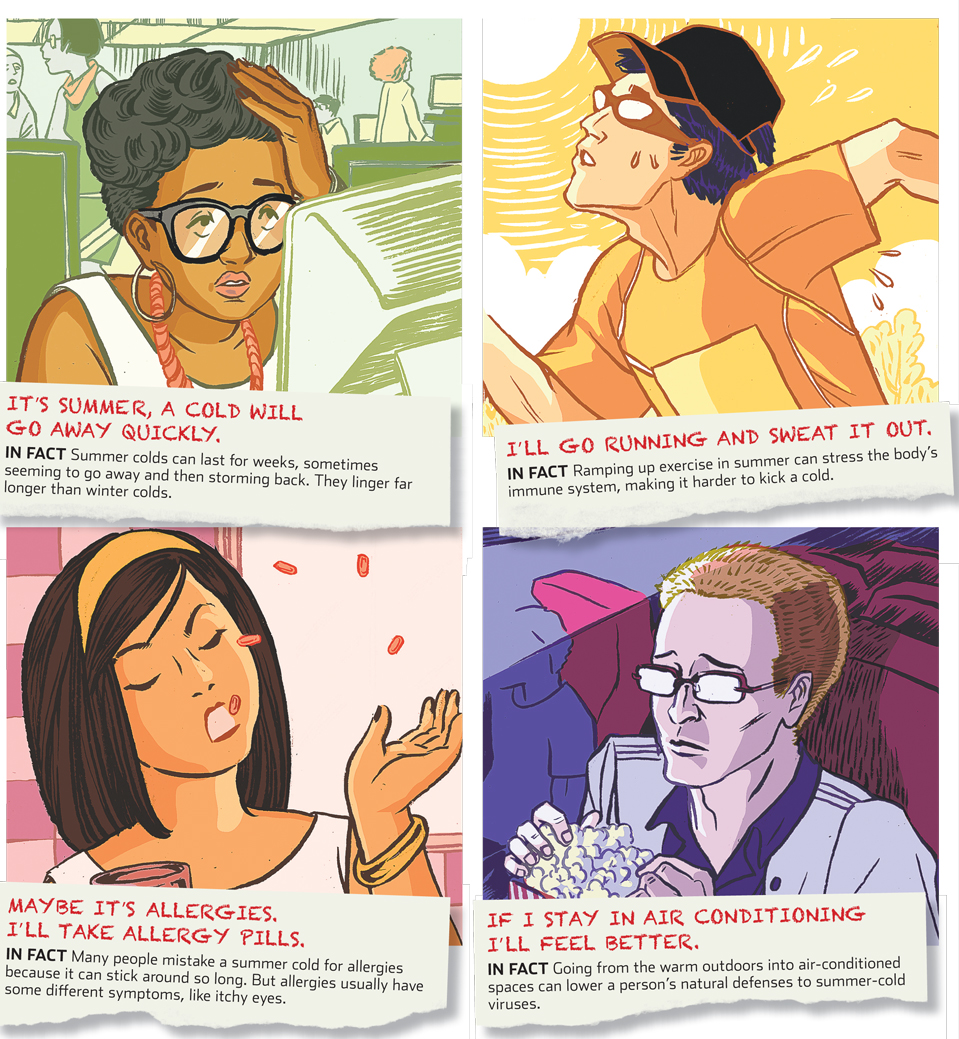
Something summery may be lingering even as the season fades—the summer cold. Colds in summertime can last for weeks, at times seemingly going away and then suddenly storming back with a vengeance, infectious-disease experts say. A winter cold, by contrast, is typically gone in a few days. The reason for the difference: Summer colds are caused by different viruses from the ones that bring on sniffling and sneezing in the colder months. And some of the things people commonly do in the summer can prolong the illness, like being physically active and going in and out of air-conditioned buildings. Read more of this post

Doctors Face New Scrutiny Over Gifts; New Health Law Calls for Increased Disclosures

August 22, 2013, 7:57 p.m. ET

Doctors Face New Scrutiny Over Gifts

New Health Law Calls for Increased Disclosures

PETER LOFTUS

U.S. doctors are bracing for increased public scrutiny of the payments and gifts they receive from pharmaceutical and medical-device companies as a result of the new health law.

Starting this month, companies must record nearly every transaction with doctors—from sales reps bearing pizza to compensation for expert advice on research—to comply with the so-called Sunshine Act provision of the U.S. health-care overhaul. The companies must report data on individual doctors and how much they received to a federal health agency, which will post it on a searchable, public website beginning September 2014. Read more of this post

China bird flu analysis finds more virus threats lurking

China bird flu analysis finds more virus threats lurking

Wed, Aug 21 2013

By Kate Kelland

LONDON (Reuters) – A deadly new bird flu virus in China evolved from migratory birds via waterfowl to poultry and into people, and there are other bird flu viruses circulating that could follow the same path, scientists have found.

The study – an analysis of the evolutionary history of the H7N9 bird flu that has so far killed 44 people – identified several other H7 flu viruses circulating in birds that the researchers said “may pose threats beyond the current outbreak”. Read more of this post

These drugs are the cash cows of big pharma

These drugs are the cash cows of big pharma

By David Yanofsky @YAN0 August 20, 2013

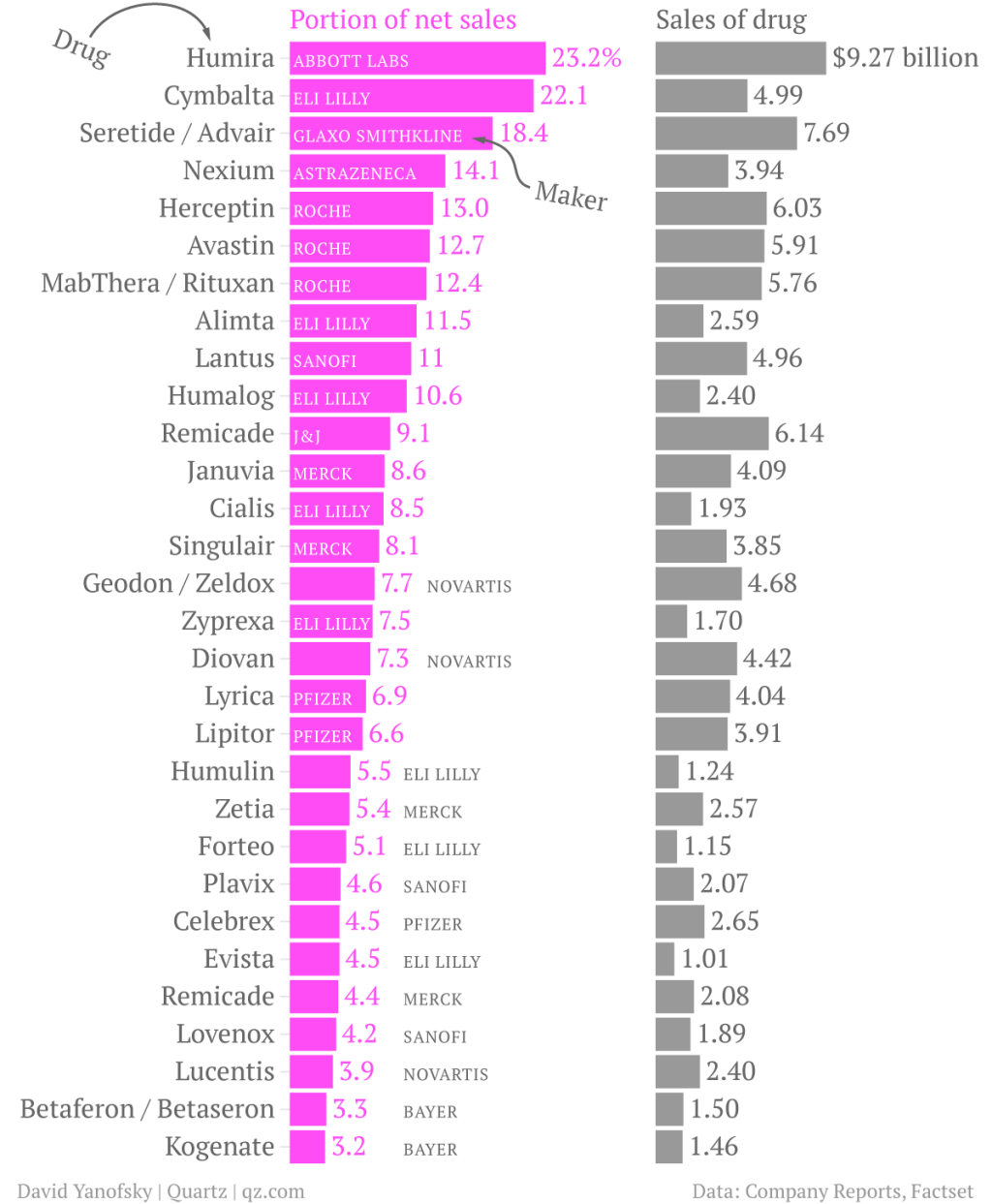
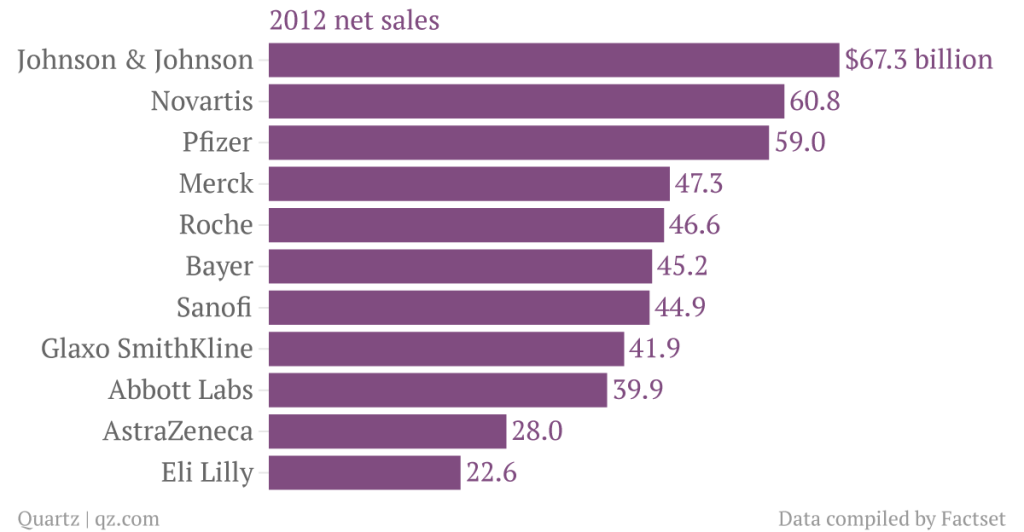
It is not uncommon for single drugs to account for a large share of a drug company’s business. Of the world’s 11 largest pharmaceutical companies in 2012, six had single drugs bring in more than 10% of total sales. Bayer was the only drug maker without a single treatment grossing more than 5% of total sales. Bayer’s business is also the most diverse of the lot. Where other top drug companies stick to pharmaceuticals and personal care, Bayer’s products encompass crop and materials science units. Ely Lilly was in US Federal Court yesterday (Aug. 19) to defend a patent on administering its lung-cancer therapy Alimta with certain vitamins to temper the prescription’s side effects. A victory for Lilly in the lawsuit could put off competition from generic drug makers until 2022, who would need to imitate the vitamin regimen to gain approval from regulators. (The chemistry of Alimta itself is covered by a different Ely Lilly patent which expires in 2017.) Patenting the way a drug is taken is taken is an unusual move, and a sign of how far drug companies will go to prolong their patents, though most analysts doubt it will succeed. Alimta purchases made up 11.5% of Ely Lilly’s net sales last year, making it the most important drug to the company after Cymbalta, an antidepressant, which accounts for 22.1%. Cymbalta’s patent expires in December. Cymbalta has the second largest portion of sales from any of the top 11 companies. The largest is Abbott Laboratories’ Humira, a rheumatoid arthritis treatment, which makes up 23.2% of Abbott’s sales. Humira’s $9.3 billion in sales last year exceeded those of any other drug on the market.

portion-of-revenue-total-sales_chartbuilder_4 2012-net-sales_chartbuilder1

Sliced and diced, digitally: autopsy as a service; Malaysian entrepreneur Matt Chandran wants to revive the moribund post-mortem by replacing the scalpel with a scanner and the autopsy slab with a touchscreen computer

Sliced and diced, digitally: autopsy as a service

By Jeremy Wagstaff

SINGAPORE (Reuters) – Malaysian entrepreneur Matt Chandran wants to revive the moribund post-mortem by replacing the scalpel with a scanner and the autopsy slab with a touchscreen computer. He believes his so-called digital autopsy could largely displace the centuries-old traditional knife-bound one, speeding up investigations, reducing the stress on grieving families and placating religious sensibilities. Read more of this post