Ex-Leighton boss Wal King spent thousands on company credit card

Ex-Leighton boss Wal King spent thousands on company credit card

October 4, 2013 – 12:55PM

Nick McKenzie and Richard Baker
729_walking_20131004100816226140-620x349

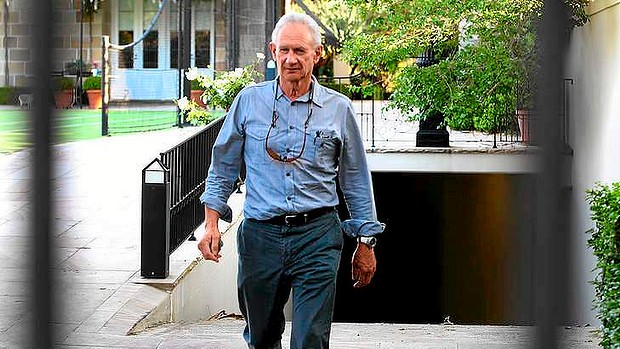
Wal King’s exit entitled him to $6 million in consultancy fees over three years, a company credit card, an office and IT support. Photo: Rob Homer

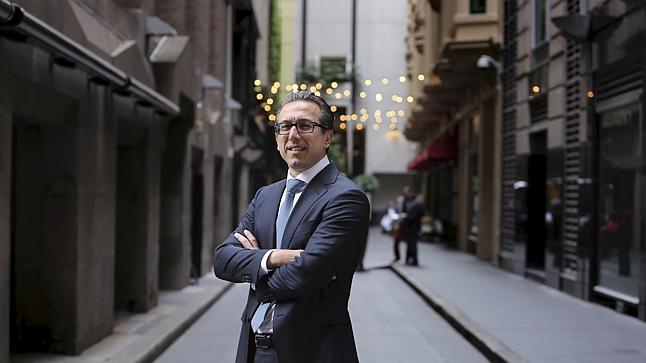
EXCLUSIVE: Former Leighton boss Wal King repaid $40,000 worth of unauthorised expenses – including trips to Madrid, a $780 meal at Sydney’s Rockpool restaurant and stays at luxury hotels – that he billed to a company credit card in the weeks after he had left the construction giant. A Fairfax Media investigation can also reveal a small number of senior Leighton staff were so concerned by a $6 million consultancy awarded to Mr King upon his 2011 departure that external legal advice was sought to determine if it might have breached Australian corporate laws that apply to retirement benefits. Read more of this post

Forget TVs. Sharp Sees a Future in Strawberry Farming

Forget TVs. Sharp Sees a Future in Strawberry Farming

By Joshua Brustein October 03, 2013

tech_sharp41__01__630x420c

The hermetically sealed grow lab is a proving ground for agricultural technology Sharp hopes to sell. The lab is stocked with components made by Sharp, including the lights, sensors, and air purifier

Sharp (6753:JP), known for its televisions, actually has its origins in mechanical pencils. Its future may rest on a business distant from either of those: growing strawberries in the deserts of Dubai. The struggling consumer-electronics company announced on Sept. 20 plans to ramp up an experiment it started in July, in which berries are grown in a hermetically sealed farm lit with Sharp’s power-efficient LED lights. Sensors made by Sharp track temperature and humidity, and the company’s Plasmacluster air-purification system, which it markets to consumers, helps protect the fruit by killing germs, bacteria, and mold. Dubai is a logical home for the project, because Japanese strawberries are popular in the Middle East, expensive, and quick to spoil. Sharp says it will collect data on how well its cultivation techniques work to “achieve stable production of high-quality strawberries.” Read more of this post

REIT Payout Cuts Spurred by Fed Taper That Hasn’t Come

REIT Payout Cuts Spurred by Fed Taper That Hasn’t Come

Steven Hoffman, owner of a wooden button factory in Brooklyn, New York, was drawn into real estate investment trust CYS Investment Inc. (CYS) by its 12 percent dividend yield. After buying 2,000 of shares a year ago that have since dropped 43 percent amid concern the Federal Reserve would reduce its economic stimulus, he’s now anxious his payout will be cut. “I’m pretty upset that CYS has gotten so upside down,” said Hoffman, 64, adding that he tracks the stock daily to decide whether he’ll hold or sell his stake. Read more of this post

Taiwanese show host Dee Hsu’s husband questioned over insider trading of Top Pot Bakery’s holding company, Genome International Biomedical Co

Show host Dee Hsu’s husband questioned over insider trading

Thursday, October 3, 2013 – 09:26

The China Post/Asia News Network

TAIPEI, Taiwan – Prosecutors yesterday searched the residence of talk show host Dee Hsu (徐熙娣, also known as Little S) and questioned her husband and father-in-law over allegations of gaining profit through insider trading. The Taipei District Prosecutors Office in August investigated an instance of deceptive advertising involving Top Pot Bakery, with the bakery boasting in its advertisements that its bread was made with zero flavoring essence. The ads were found to be inaccurate. Dee Hsu was previously the bakery’s spokeswoman. Prosecutors said that while looking into the case, they discovered an alleged insider trading incident involving Top Pot Bakery’s holding company, Genome International Biomedical Co. Ltd. (GIBC,基因國際生醫股份有限公司). Read more of this post

Touch-screen maker Wintek Technology is trying to move away from Apple Inc. to mushrooms health drink

Oct 3, 2013

Wintek Technology Looks to Mushrooms to Revive Fortune

LORRAINE LUK

OB-ZD474_wine_D_20131003045517

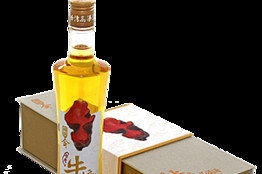
Touch-screen maker Wintek Technology’s wine “Di Di Jin” made from Taiwanese mushrooms is seen in this undated photograph.

Touch-screen maker Wintek Technology is trying to move away from Apple Inc. to mushrooms. Apart from finding new clients in China and Korea, the touch screen maker is making a foray into the health-care food industry.  Early this year, it started selling its first health drink—a wine made from Taiwanese mushrooms that the company says has many health benefits.The Taiwanese company, which once earned the bulk of its revenue from supplying touch screens to Apple, has been working hard to diversify its business after the Cupertino Calif. company switched to an alternative touch-screen technology. Read more of this post

How Japanese clothing brand Uniqlo aims to be No.1 in the world

How Japanese clothing brand Uniqlo aims to be No.1 in the world

PUBLISHED: 02 OCT 2013 19:49:00 | UPDATED: 03 OCT 2013 08:33:39

The Australian Financial Review

BY SUE MITCHELL

Uniqlo local chief Shoichi Miyasak says: “Our objective is to become the world number one by year 2020 – in order for us to meet that level, becoming the number one in Australia is a thing we have to do.” Photo: Nic Walker

Fast Retailing’s Uniqlo brand is so ubiquitous in Japan that one in four Japanese are estimated to own its trademark down jackets and wearing the brand even has its own word – unibare. Uniqlo may never become a household name in Australia, but its local chief, Shoichi Miyasaka, wants the brand to become the market leader in casual wear – overtaking long-established brands such as Just Jeans and General Pants as well as newcomers such as Top Shop – as part of Fast Retailing’s goal to become the world’s leading clothing company. Read more of this post

Prosecutors are investigating Hyosung Group Chairman Cho Suck-rae for allegedly creating a massive slush fund and evading taxes

2013-10-02 17:11

Hyosung under prosecutors’ probe

By Kim Tae-jong

Prosecutors are investigating Hyosung Group Chairman Cho Suck-rae for allegedly creating a massive slush fund and evading taxes, sources said Wednesday.
The move could potentially result in Cho becoming yet another ill-fated conglomerate owner who may be put on trial and jailed, following Hanhwa Group Chairman Kim Seung-youn, SK Holdings Chairman Chey Tae-won and CJ Group Chairman Lee Jae-hyun. Read more of this post

Korean chaebol debt surpasses government’s

Chaebol debt surpasses government’s

Oct 02,2013

Chaebol Debt

The combined debt of Korea’s top 30 conglomerates is much larger than the debt predicted next year for the entire nation. According to Chaebul.com, the debt held by the top conglomerates including Samsung and Hyundai Motor as of end of 2012 amounted to 574.9 trillion won ($535.2 billion). The Web site specializing in analyzing the nation’s conglomerates stressed that the total debt increased 83.2 percent compared with 313.8 trillion won at the end of 2007, the year before the global financial crisis. The debt, however, does not include that of financial affiliates.

Read more of this post

Assa Abloy to Buy Ameristar, which claims to be the largest ornamental-fence manufacturer in the world

Updated October 1, 2013, 5:12 p.m. ET

Swedish Lock Company to Buy U.S. Fence Maker

Assa Abloy Makes Further Bet on American Market with Deal to Buy Ameristar

GUSTAV SANDSTROM

STOCKHOLM—Assa Abloy AB, ASSA-B.SK +1.56% the Swedish company that is the world’s biggest lock maker by sales, is furthering its bet on growing U.S. demand for high-end security products, agreeing to buy Tulsa-based fence maker Ameristar Fence Products Inc. Specific terms of the deal weren’t disclosed. The transaction follows several other Nordic companies’ spending money on American assets with sales dependent on the strength of U.S. manufacturing and construction. Read more of this post

S. Korea’s top 30 conglomerates owe nearly $557bn; amount excludes debts owed by their financial affiliates.

S. Korea’s top 30 conglomerates owe nearly $557bn

2013.10.01 15:02:33

Aggregate debt of South Korea’s top 30 conglomerates almost doubled from the pre-crisis level to around 600 trillion won ($557 billion), data showed. About half of the 30 large business groups saw their debt to equity ratio rise and their ability to repay debt worsen from five years ago. This prompts calls for them to improve financial stability to avert the spread of liquidity crisis. The nation’s top 30 groups by assets owed a total of 574 trillion won late last year, up 313.8 trillion won or 261.1 trillion from 313.8 trillion won in late 2007, according to an online business data provider Chaebol.com Tuesday. The amount is based on groups’ audit report and excludes debts owed by their financial affiliates.
Debt held by top 30 groups was far higher than that of the government. The government’s debt came in at 443.1 trillion won last year and is expected to reach 480.3 trillion won this year and 515.2 trillion won next year. Debt to equity ratio of top 30 groups declined from 95.3 percent late 2007 to 88.7 percent late last year. Debt to equity ratio measures the degree of soundness of the company. The higher the ratio is, the weaker a company’s financial structure. The problem is excluding some top-ranking groups, most of their financial stability has worsened although the debt to equity ratio went down as a whole.

Vinamilk Sees Revenue Doubling in Overseas Expansion Push

Vinamilk Sees Revenue Doubling in Overseas Expansion Push

Vietnam Dairy Products Joint-Stock Co., the nation’s largest dairy producer, is building a milk factory in Cambodia as it plans a global expansion to more than double annual revenue to $3 billion by 2017. The company known as Vinamilk is opening a plant in the capital of Phnom Penh and will expand into other overseas markets over the next five years, Chairwoman and General Director Mai Kieu Lien said in an e-mailed statement yesterday. Read more of this post

Li Ka-shing offloads more HK assets with US$5bn Hong Kong electricity business spin-off; Wang Shi, chairman of China Vanke, the mainland’s larges residential real estate developer, posted on his microblog that Li offloading assets in Guangzhou and Shanghai is a signal that investors need to start being very careful.

Li Ka-shing offloads more HK assets with US$5bn spin-off

Staff Reporter

2013-09-30

C802N0117H_2012資料照片_N22F_N71_copy1

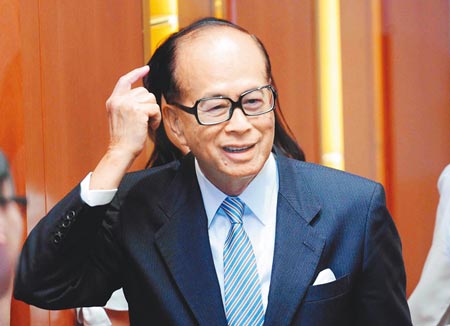
The recent decision by Asia’s richest man, Li Ka-shing, to spin off his Hong Kong electricity business has added to the unease of investors who believe the tycoon has lost faith in the future of the Hong Kong and mainland Chinese economies. Li, the 85-year-old chairman of Cheung Kong Holdings and Hutchison Whampoa, announced that Power Assets Holdings — which he controls — will spin-off subsidiary Hongkong Electric Company in a joint listing of shared staple units valued at an estimated 30.5 billion yuan (US$5 billion). Power Assets will hold less than 50% but more than 30% of HK Electric’s shares following the deal. Read more of this post

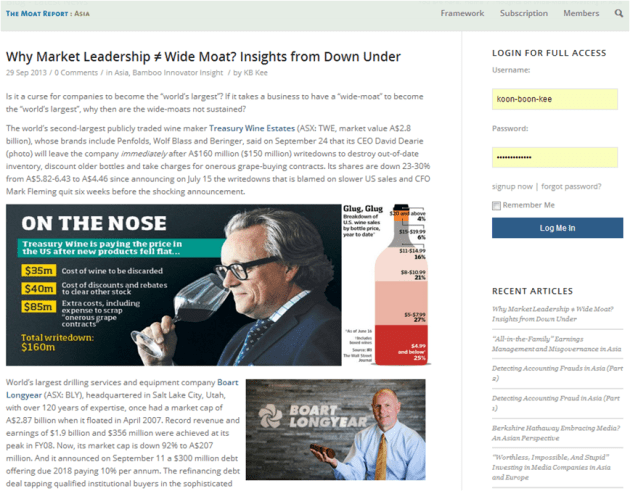
Why Market Leadership ≠ Wide Moat? Insights from Down Under (Bamboo Innovator Insight)

The following article is extracted from the Bamboo Innovator Insight weekly column blog related to the context and thought leadership behind the stock idea generation process of Asian wide-moat businesses that are featured in the monthly entitled The Moat Report Asia. Fellow value investors get to go behind the scene to learn thought-provoking timely insights on key macro and industry trends in Asia, as well as benefit from the occasional discussion of potential red flags, misgovernance or fraud-detection trails ahead of time to enhance the critical-thinking skill about the myriad pitfalls of investing in Asia at the microstructure- and firm-level.

Makret Leadership Down Under


Tong Yang Group opted for court receivership for three of its affiliates. This came five days after Tong Yang Chairman Hyun Jae-hyun clarified Tong Yang would never be under court receivership

3 Tong Yang units file for court receivership

Kim Yong-young

2013.09.30 11:14:53

Tong Yang Group opted for court receivership for three of its affiliates Monday. This came five days after Tong Yang Chairman Hyun Jae-hyun clarified Tong Yang would never be under court receivership. Tong Yang Group announced Monday that it filed for the corporate revival process for Tong Yang Inc., Tong Yang Leisure Co. and Tong Yang International Inc. The embattled group has been faced with mounting pressure to repay their debts worth 110 billion won ($102.1 million) including corporate bonds and commercial papers (CP) on this day. Reportedly, it has secured around 60 billion won for the repayment but not for the remainder, prompting concerns over the default.
With the filing for court receivership, the three affiliates will appoint their receivers to be under intensive restructuring programs. Other non-financial affiliates in relatively better financial shape will seek ways to improve their management or stand on their own feet after examining market developments in consultation with creditors. In the announcement Monday, Mr Hyun noted, “our affiliates and assets, if sold in an orderly manner, not in a chaotic manner, will be fully appreciated, minimizing investors’ damages. I urge [all employees] to be accountable and cooperative with the court.”  Read more of this post

How Converse went from bankruptcy to a $1.4 billion business

How Converse went from bankruptcy to a $1.4 billion business

By Laura Lorenzetti September 28, 2013

converse-annual-revenue-revenue_chartbuilder

As its parent company commands, Converse is just doing it. The 105-year-old brand has grown at breakneck pace since Nike rescued the company in 2003, two years after it filed for bankruptcy. Since its cultural heyday in the ’80s, the hip sneaker has experienced a rebirth. On Thursday, Converse posted an 18% increase in revenue over the past three months, a shining star on an overall impressive balance sheet for Nike. From now on Converse will report its earnings separately, heralding the brand’s standalone success. In 2002, the flailing company reported just $205 million in revenue. Since, Nike has transformed the brand into a $1.4 billion business—and this year’s revenue is on pace to surpass that number. Converse has seen the strongest growth in the North America, China and the UK, where it’s made significant investments over the past several years. How was Converse able to turn around?

Read more of this post

VF Corporation’s TSR-Led Transformation

VF Corporation’s TSR-Led Transformation

by Gerry Hansell, Jeff Kotzen, Eric Olsen, Frank Plaschke, and Hady Farag

SEPTEMBER 17, 2013

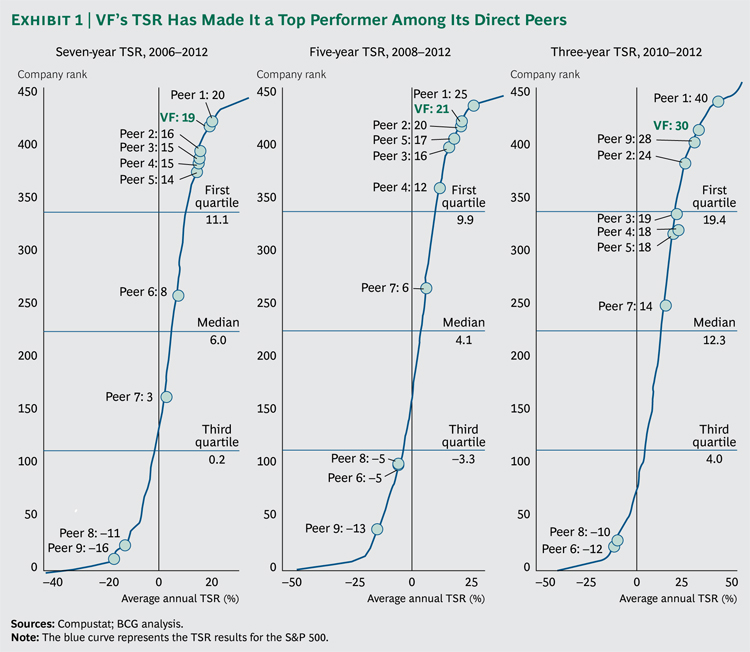
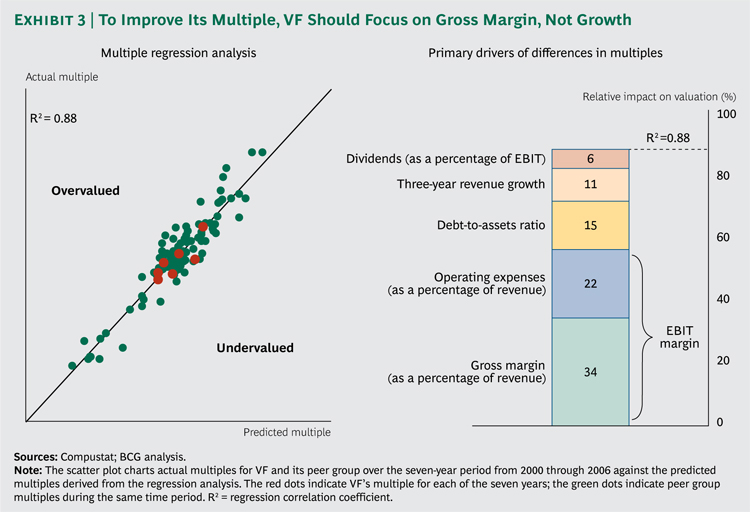
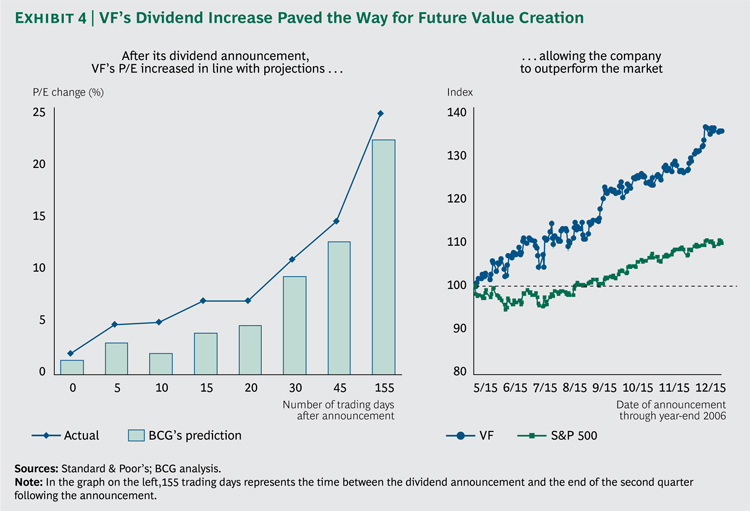
VF Corporation is the world’s largest apparel company, with a market cap of $22.8 billion and a stable of strong brands ranging from heritage businesses Lee and Wrangler jeans to more recently acquired lifestyle brands such as The North Face and Timberland. Over the past seven, five, and three years, VF has delivered a TSR of 19 percent, 21 percent, and 30 percent, respectively, making it a consistent top performer among its direct peers. (See Exhibit 1.) The company just missed making our top-ten rankings for the broader global consumer durables and apparel industry by half a percentage point; it came in at number 11.

Value_Creators_2013_art3_Ex1_lg_tcm80-143776 Value_Creators_2013_art3_Ex2_lg_tcm80-143779 Value_Creators_2013_art3_Ex3_lg_tcm80-143783 Value_Creators_2013_art3_Ex4_lg_tcm80-143787 Read more of this post

James Packer’s former money man shares the billionaire’s top tips: You only need one or two very good ideas per year

Matthew Smith Reporter

James Packer’s former money man shares the billionaire’s top tips

Published 27 September 2013 10:13, Updated 27 September 2013 10:14

4849c5c8-12cf-11e3-897e-5efcaf8b3aed_762732829--646x363

Paul Skamvougera: You only need one or two very good ideas per year

It’s been a rapid rise for Paul Skamvougeras, who took over from Perpetual’s star fund manager John Sevior in July 2011. Despite his background in managing money for James Packer, investors weren’t immediately convinced with the replacement. “He might be good but is he Sevior good?” they asked. Fast forward two years and its “John who?” after “Skamma” notched up a 31.2 per cent return to July 31. Now he’s been asked to step into the breach once more following the departure of Charlie Lanchester. Today Skamvougeras talks about his three biggest positions and what he learnt from James Packer.  Read more of this post

The fate of the troubled Tongyang Group has been left to the market and its chances of getting back on its feet by itself are looking increasingly slim

2013-09-27 17:23

Fate of Tongyang tossed to market

By Kim Rahn
The fate of the troubled Tongyang Group has been left to the market and its chances of getting back on its feet by itself are looking increasingly slim. No fresh credit line is forthcoming with government regulators telling it to expect no help. The core of its problems is corporate bills and bonds it and its affiliates issued to keep afloat because banks turned its loan requests down. Tongyang International and Tongyang Leisure need fresh funds to repay maturing debts or face bankruptcy. Read more of this post

Berkshire’s Benjamin Moore Seeks Third Chief in Two Years

Berkshire’s Benjamin Moore Seeks Third Chief in Two Years

By Zachary Tracer – Sep 28, 2013

Benjamin Moore, the paint maker owned by Warren Buffett’s Berkshire Hathaway Inc. (BRK/A), said Chief Executive Officer Robert Merritt left the company. Benjamin Moore, which hired Merritt last year, is searching for a new leader and expects to name a replacement “in the coming week,” the Montvale, New Jersey-based company said yesterday in a statement on its website. The paint company last year hired Merritt, a former executive at restaurant companies including Cosi Inc., to replace Denis Abrams. The unit has staff of about 2,200 people, according to the most recent annual report from Omaha, Nebraska-based Berkshire. Buffett, 83, agreed in 2000 to buy the paint company for about $1 billion as he expanded housing-related operations. He has identified the business as one of four Berkshire units that counts Tracy Britt as chairman. Another of the units, building products provider Johns Manville, in November named Mary Rhinehart as chief executive officer, replacing Todd Raba. Britt didn’t immediately return a message seeking comment. Eileen McComb, a spokeswoman for Benjamin Moore, also didn’t return a call.

To contact the reporter on this story: Zachary Tracer in New York at ztracer1@bloomberg.net

The SEC alleges that ChinaCast Education’s former CEO Chan Tze Ngon illicitly transferred $41 million out of the $43.8 million raised from investors to a purported subsidiary in which he secretly held a controlling 50% ownership stake

SEC Charges China-Based Executives With Fraud and Insider Trading

2013-200

Washington D.C., Sept. 26, 2013 —

The Securities and Exchange Commission today charged the former CEO of an education services provider based in China with stealing tens of millions of dollars from investors in a U.S. public offering, and charged another executive with illegally dumping his stock in the company after he helped steal valuable company assets. The SEC alleges that ChinaCast Education Corporation’s former CEO and chairman of the board Chan Tze Ngon illicitly transferred $41 million out of the $43.8 million raised from investors to a purported subsidiary in which he secretly held a controlling 50 percent ownership stake.  From there, Chan transferred investor funds to another entity outside ChinaCast’s control.  Chan also secretly pledged $30.4 million of ChinaCast’s cash deposits to secure the debts of entities unrelated to ChinaCast.  None of the transactions were disclosed in the periodic and other reports signed by Chan and filed with the SEC. Read more of this post

The SEC is developing data analysis techniques that will likely dredge up some horrific cases of accounting fraud. And shady companies are already developing ways to avoid detection.

Fraud detection approaches its ‘Minority Report’ moment

September 26, 2013: 10:37 AM ET

The SEC is developing data analysis techniques that will likely dredge up some horrific cases of accounting fraud. And shady companies are already developing ways to avoid detection.

By Ethan Rouen

FORTUNE — The days of predicting crimes are almost upon us, and it’s not just the NSA standing behind the curtain pulling the levers. Police departments around the country have been using big data with some success to anticipate where crime hotspots will appear, and cities like Seattle are using algorithms not just to anticipate where crime will occur in the next few weeks, but where it will occur in the next few hours. A more Phillip K. Dick-inspired dystopian technology, recently described by Bloomberg, claims to accurately predict the probability that someone will commit a felony based on only a few details, ranging from eye and skin color, to whether a person has tattoos, to the number of traffic tickets the subject has. Read more of this post

Fuss Trounces Bond Rivals by Thinking Like a Stock Picker

Fuss Trounces Bond Rivals by Thinking Like a Stock Picker

Loomis Sayles & Co.’s Dan Fuss left rival bond-fund managers including Bill Gross behind in his eighth decade, by using a style generally associated with bargain-hunting stockpickers. Fuss, who turns 80 tomorrow, managed the two best large U.S. bond funds over the past 10 years. His $15.1 billion Natixis Loomis Sayles Strategic Income Fund and the $21.7 billion Loomis Sayles Bond Fund both returned more than 125 percent over the period, ranking first and second among 65 bond funds with more than $5 billion in assets that have been in existence for at least 10 years, according to data compiled by Bloomberg. The flagship Loomis Sayles Bond Fund, started in 1991, was also the top fixed-income fund over the past 20 years. Read more of this post

Air Products has a reputation for top-down bureaucracy with long, meandering office meetings. Praxair, by contrast, has wasted little opportunity to mention the independence it gives regional business leaders to make sales decisions

Analysis: Air Products feels the heat from Ackman’s Pershing Square

12:53pm EDT

By Ernest Scheyder and Svea Herbst-Bayliss

NEW YORK (Reuters) – In June 2011, Air Products and Chemicals Inc (APD.N: QuoteProfileResearchStock Buzz) Chief Executive John McGlade unveiled an ambitious plan to achieve $15 billion in annual sales by 2015, with a 20 percent operating margin. Dubbed the “15 by 2015” initiative, the program was designed to boost lagging returns at the industrial gas giant, helping it better compete with its three main global rivals: Praxair Inc (PX.N: QuoteProfileResearch,Stock Buzz), Linde AG (LING.DE: QuoteProfileResearchStock Buzz) and Air Liquide SA (AIRP.PA: Quote,ProfileResearchStock Buzz). “I can assure you as an organization we are absolutely committed to delivering on these goals,” McGlade, CEO since 2007, told analysts and investors in the packed room. More than two years later, annual sales at Air Products have yet to breach $10 billion and the company’s operating margin hovers near 15 percent, much lower than its competitors. Read more of this post

China’s top appliance maker Gree eyes banking business, the second Chinese home appliance player to eye a move into the financial industry after Suning

China’s top appliance maker Gree eyes banking business

1:31am EDT

HONG KONG (Reuters) – A unit of China’s Gree Electric Appliances Inc of Zhuhai (000651.SZ: QuoteProfile,ResearchStock Buzz) plans to set up a private bank, the second Chinese home appliance player to eye a move into the financial industry after Suning Commerce Group Co Ltd (002024.SZ: QuoteProfileResearchStock Buzz) announced its own plans last month. Gree, with a market value of $14 billion, said in a filing to the Shenzhen stock exchange late on Wednesday that Zhuhai Gree Group Finance Co Ltd is in initial talks with Zhuhai Hengqin Village Bank, but said no agreement has been reached. Read more of this post

Korean court overturns Hanwha chairman’s three-year prison term; The business tycoon had been convicted of using Hanwha affiliates to “unfairly support” ailing companies he owned under assumed names, causing losses to South Korea’s 10th largest conglomerate

Korean court overturns Hanwha chairman’s three-year prison term

12:14am EDT

SEOUL (Reuters) – South Korea’s supreme court has overturned a three-year prison sentence against Hanwha Group Chairman Kim Seung-youn for breach of trust and other charges, sending the case back to a lower court. Shares in Hanwha Corp (000880.KS: QuoteProfile,ResearchStock Buzz) rose 1.5 percent after the decision on Thursday to a 19-month high, versus a flat benchmark index .KS11. The business tycoon had been convicted of using Hanwha affiliates to “unfairly support” ailing companies he owned under assumed names, causing losses to South Korea’s 10th largest conglomerate. Read more of this post

Rip Curl founders step down from the board and might hail a bigger exit; the businesses of Australia’s wealthy entrepreneurs are going through a challenging period of generational change

James Thomson Editor

Rip Curl founders step down from the board and might hail a bigger exit

Published 25 September 2013 11:23, Updated 25 September 2013 14:07

1c8dc168-2581-11e3-bbca-a7ec88bfff7c_98406641--646x363

Founders of Rip Curl Brian Singer and Doug Warbrick at Bells Beach. Photo: Paul Harris

It’s no secret that the businesses of Australia’s wealthy entrepreneurs are going through a challenging period of generational change. At Westfield, the transfer of operational power to Frank Lowy’s sons Peter and Steven is all but complete. At Seven Group, Kerry Stokes is carefully managing the rise of son Ryan. At David Hains’s Portland House Group, his sons are firmly in control. It’s the same story on Linfox, where Lindsay Fox hasn’t attended a board meeting in 20 years. Now, two of the coolest men to grace the Rich 200, Rip Curl founders Doug “Claw” Warbrick and Brian “Sing Ding” Singer, are facing up to their moment of generational change. According to a report from Business Day, the pair has stepped down as directors of the company they founded in the late 1960s and turned into a global giant in the surfwear industry. Read more of this post

Premier Foods had a spectacular fall from grace. The company expanded rapidly by borrowing and by buying household names such as Oxo, Hovis and Bisto, making it a stock market darling

Premier Foods could face a cash crunch next year

The revolving boardroom door at Premier Foods should be a red flag to any investor, says Questor

By John Ficenec, Questor editor

6:00AM BST 25 Sep 2013

Premier Foods
143¼p -4¼
Questor says SELL

Premier Foods

PREMIER Foods has lost another senior board member after Mark Moran, the finance director, said he was leaving the company in an announcement yesterday. Boardroom departures are always a major red flag for shareholders and Premier is no exception. On closer inspection, the company is heading towards a cash crunch in 2014 that could mean any value in the equity is toast. Premier had a spectacular fall from grace. The company expanded rapidly by borrowing and by buying household names such as Oxo, Hovis and Bisto, making it a stock market darling, delivering rapid sales and dividend growth. Then the credit crisis struck and, with it, disaster. Shares in Premier were worth £30 in 2007, but have slumped after a painful restructure and an axing of the dividend. Read more of this post

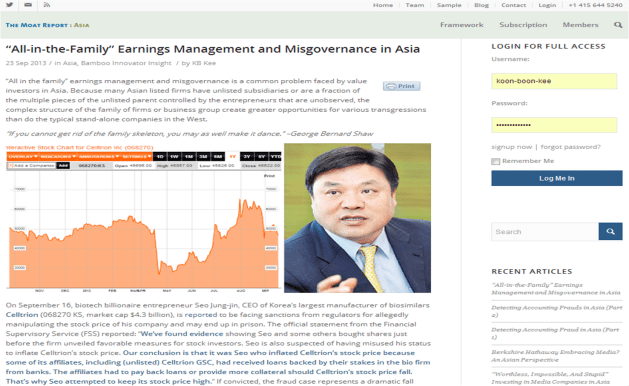
“All-in-the-Family” Earnings Management and Misgovernance in Asia (Bamboo Innovator Insight)

The following article is extracted from the Bamboo Innovator Insight weekly column blog related to the context and thought leadership behind the stock idea generation process of Asian wide-moat businesses that are featured in the monthly entitled The Moat Report Asia. Fellow value investors get to go behind the scene to learn thought-provoking timely insights on key macro and industry trends in Asia, as well as benefit from the occasional discussion of potential red flags, misgovernance or fraud-detection trails ahead of time to enhance the critical-thinking skill about the myriad pitfalls of investing in Asia at the microstructure- and firm-level.

Celltrion

Pension funds and other large investors are throwing away billions of dollars a year on worthless advice from investment consultants, according to academic research

September 22, 2013 4:16 am

Billions of dollars wasted on investment advice

By Steve Johnson

Pension funds and other large investors are throwing away billions of dollars a year on worthless advice from investment consultants, according to academic research. The funds recommended by consultants do no better than any other, and by some measures they underperform the wider market significantly, the research* found. On an equal-weighted basis, US equity funds recommended by consultants underperformed other funds by 1.1 per cent a year between 1999 and 2011, according to analysis of 29 consultancies accounting for more than 90 per cent of the market by a team from Oxford university’s Saïd Business School. “The enormous power wielded by consultants is not matched by their performance,” said Jose Martinez, one of the authors of the study. “In US equities, one of the largest asset classes, investment consultants as an industry appear to add no value in fund selection,” added co-author Howard Jones. Read more of this post

BlackBerry Investor Prem Watsa Famous for Making Contrarian Bets; The Head of Canadian Firm Fairfax Financial Is Often Compared to Warren Buffett

September 23, 2013, 7:30 p.m. ET

BlackBerry Investor Prem Watsa Famous for Making Contrarian Bets

The Head of Canadian Firm Fairfax Financial Is Often Compared to Warren Buffett

BEN DUMMETT and PAUL VIEIRA

blackberryriseandfall

The Canadian investor leading an effort to take BlackBerry Ltd. BBRY -2.38% private is famous for making big contrarian bets that often work out. Prem Watsa, who runs Toronto-based insurance firm Fairfax Financial Holdings Ltd.FFH.T +0.49% and until last month served on BlackBerry’s board, is often compared with U.S. investment guru Warren Buffett. Mr. Watsa has over the years focused on beaten-up stocks—including at times, his own—and has long explained his choices in plainly written annual reports that are closely followed by many investors. Read more of this post