How emoji conquered the world; The story of the smiley face from the man who invented it
March 21, 2013 Leave a comment
How emoji conquered the world
The story of the smiley face from the man who invented it
By Jeff Blagdon on March 4, 2013 11:46 am Email @jeffblagdon
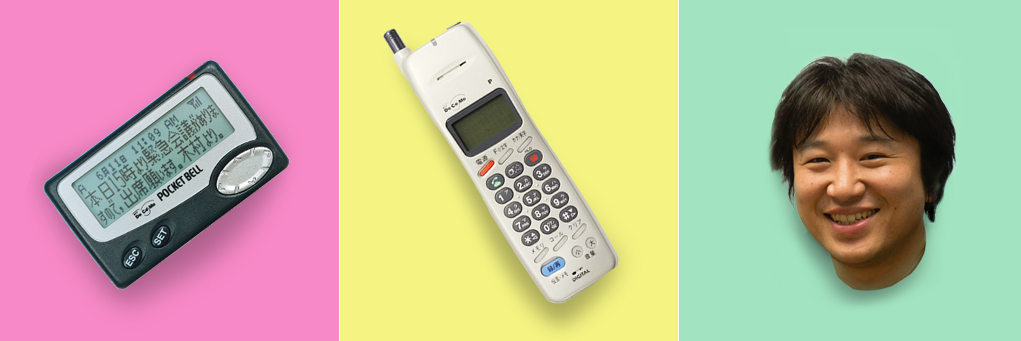
In 1995, sales of pagers were booming among Japan’s teenagers, and NTT Docomo’s decision to add the heart symbol to its Pocket Bell devices let high school kids across the country inject a new level of sentiment (and cuteness) into the millions of messages they were keying into telephones every day. Docomo was thriving, with a bona fide must-have gadget on its hands and market share in the neighborhood of 40 percent. But when new versions of the Pocket Bell abandoned the heart symbol in favor of more business-friendly features like kanji and Latin alphabet support, the teenagers that made up Docomo’s core customer base had no problem leaving for upstart competitor Tokyo Telemessage. By the time Docomo realized it had misjudged the demand for business-focused pagers, it was badly in need of a new killer app. What it came up with was emoji.
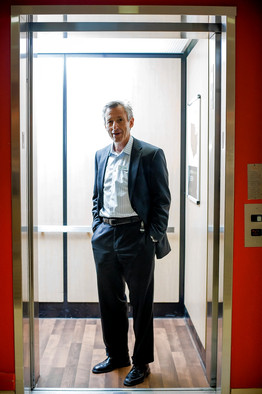
Shigetaka Kurita is the man who created emoji, and during his time at Docomo he saw the shift happen first-hand. He was part of the team working on i-mode — a project that was just beginning to take shape, but would be the world’s first widespread mobile internet platform, combining features like weather forecasts, entertainment reservations, news, and email. i-mode would prove so popular that it would completely engulf the country, giving Japan’s mobile internet a nearly 10-year lead internationally. Initially, though, the i-mode team needed ideas, and in order to get a look at other work already being done on mobile internet applications, Kurita and others visited San Francisco in 1998 to check out AT&T’s Pocket Net.
It was the first service in the world to provide amenities like email and weather forecasts over a cellular network, and using AT&T’s new cellular digital packet data (CDPD) service, it was capable of transfer speeds of 19.2Kbps. (In comparison, an average US LTE connection today is around 9.6Mbps, or about 500 times faster). “At the time, the specs on the devices were really poor, so they weren’t able to display images, for example,” Kurita explains. Pocket Net had weather news, but things like ‘cloudy’ and ‘sunny’ were just spelled out in text. The lack of visual cues made the service more difficult to use than it ought to be, and Kurita recognized that AT&T’s mobile experience would benefit majorly from some extra characters for contextual information. Read more of this post






 Bamboo Innovator