How Maureen Wheeler recovered her sense of self after selling Lonely Planet
March 11, 2014 Leave a comment
Fiona Smith Columnist
How Maureen Wheeler recovered her sense of self after selling Lonely Planet
Published 08 March 2014 00:01, Updated 08 March 2014 00:06
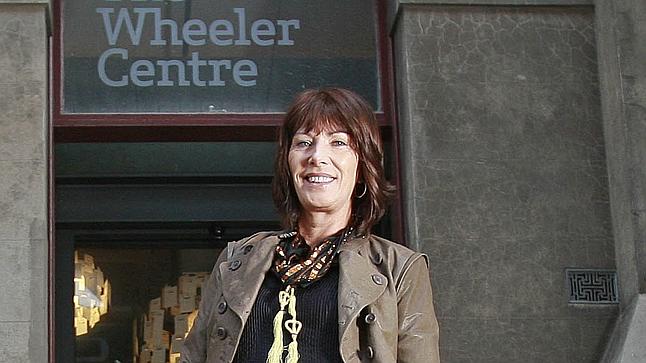
Maureen Wheeler realised how much of her identity was tied up in the job after selling Lonely Planet. Photo: James Davies
It’s one thing to have the pressure of running a big business, but quite another to have it suddenly stop and have to find something to occupy your time. It is that “cock of the walk to feather duster” moment.
For Maureen Wheeler – one half of the husband-and-wife team that founded the Lonely Planet publishing empire – that moment came after they sold their final shareholding in 2011.
BBC Worldwide paid the couple £130 million ($244 million) for the publishing company that had revolutionised travel, by providing how-to and where-to guides for backpackers since the 1970s.
Wheeler, 21st on the 2014 BRW Rich Women list, says selling the business was painful and she was sad about the decision – even though she knew it was the right one.
“Immediately, I had nothing to do very much,” she says. “It is a sense of not being important any more. When you leave something like that, you realise how much of yourself was tied up in being that person, how much of your identity is tied up in being the job. It is like losing a little bit of yourself for a while.”
Straight after the sale, the Belfast-born Wheeler moved to London for six months to renovate a house and learn about the “decadent” pleasure of reading a book on a weekday afternoon.
Since then, the Wheelers have grown their interest in philanthropy, establishing the Planet Wheeler Foundation to reduce poverty in developing countries. They also founded Melbourne’s Wheeler Centre (dedicated to the discussion and practice of writing and ideas), endowed a chair in entrepreneurship at London Business School, and donated $5 million to bring Wagner’s epic opera The Ring Cycle to Melbourne last December.
In 2011, Wheeler and her husband, Tony, re-entered the book world with an investment in the Melbourne-based Text Publishing Company. They have two seats on the board.
The couple started Lonely Planet in 1973 with one “shoestring” book and Wheeler once described her role as this: “Without Tony, Lonely Planet wouldn’t exist; without me, it wouldn’t have held together.” ”
The original vision for the company was Tony’s, but Maureen ran the business. The reason for this was simple: while he travelled, she was in Australia looking after their children, Tashi and Kieran, and was in the office every day.
“It turned out I was more interested [in the business] and more able to take it on,” she says. “A lot of the time, whenever we needed Tony, he was in West Tibet.”
In its heyday, in the 1990s, Lonely Planet had more than 700 staff in Melbourne, San Francisco, Paris and London. However, it has struggled with the transition to digital publishing. Two years after they sold, BBC Worldwide offloaded the company to NC2 Media in the US for less than half what it paid the Wheelers.
Despite 39 years of packing, locking up the house and catching planes for Lonely Planet, Wheeler is not “over” travel yet: “I am sick of some aspects of travel – airports and long flights – but I like being in new places”.
 About bambooinnovator
 Bamboo Innovator